

iPhone 18 Pro Review: Apple Pushes the Camera Further

Updated: Sep 21
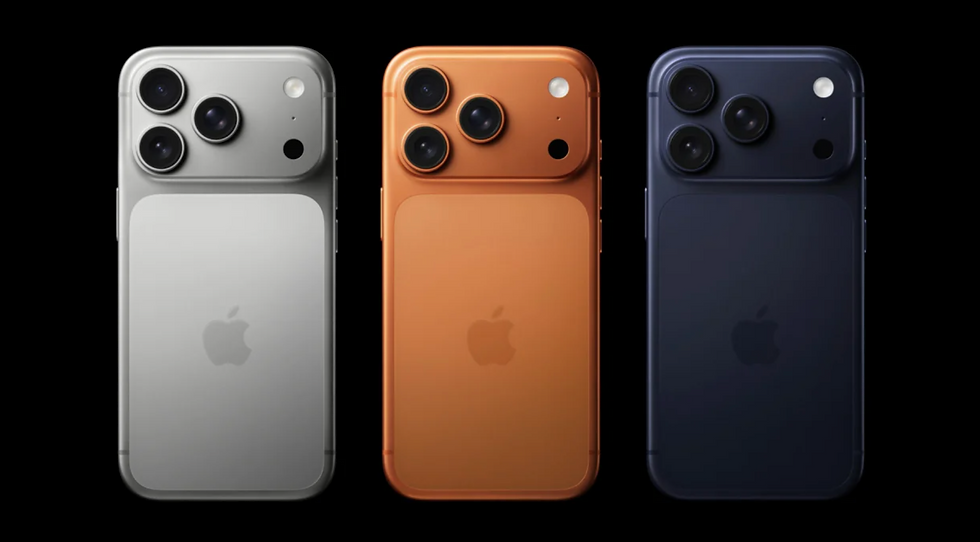
The iPhone 18 Pro and iPhone 18 Pro Max are not dramatic redesigns of Apple’s flagship phone. They look familiar, use the same basic display sizes as the previous generation, and continue the design language Apple has been refining for years. The bigger changes are happening underneath the surface, with a new camera system, a more powerful processor, improved cooling, longer battery life, Apple designed connectivity hardware, and a much deeper emphasis on artificial intelligence.
That makes the iPhone 18 Pro less of a visual reset and more of a technical refinement. Someone holding an iPhone 17 Pro is not going to feel like Apple suddenly invented a different category of device. Someone coming from an older iPhone, however, gets several generations of camera, battery, processing, and connectivity improvements stacked together.
The camera is where Apple made the biggest move
The main camera now uses a 48 megapixel sensor with a variable aperture system. Instead of keeping the lens opening fixed, the iPhone can physically change how much light reaches the sensor using several aperture settings. In darker environments it can open wider to gather more light, while smaller apertures can help keep more of a scene in focus.
That is technically important because smartphones normally compensate for their tiny lenses and sensors through software. Apple is still using enormous amounts of computational photography, but the variable aperture gives the camera another physical tool before software processing even begins. It can influence exposure, depth of field, and the amount of the image that remains sharp.
Apple has also expanded manual camera controls. Photographers can adjust settings such as shutter speed, focus, white balance, and aperture rather than relying entirely on automatic processing. The normal point and shoot experience is still there, but users who want more control can now treat the camera more like a traditional photographic tool.
The difference will not transform every photo. Modern iPhones already do a tremendous amount of processing behind the scenes, so ordinary daylight shots may look similar to what came before. The benefit is flexibility. Low light photography, close subjects, group shots, and more deliberate photography give the new hardware more room to show what it can do.
The A20 Pro is built for sustained performance
Inside the phone is Apple’s A20 Pro processor. The chip brings another jump in CPU, graphics, and neural processing performance, but raw benchmark numbers are only part of the story. Apple has paired the processor with an improved vapor chamber cooling system designed to move heat away from the chip more effectively.
Heat is one of the quiet limits of modern smartphones. A phone can deliver very high performance for a short period, then reduce its speed as temperatures rise. Better cooling allows the processor to maintain higher performance for longer periods, which becomes more useful in demanding games, video editing, computational photography, and artificial intelligence workloads.
For normal messaging, browsing, streaming, and social media, the difference will probably feel small because recent iPhones were already extremely fast. The gains become more relevant when the phone is pushed harder or used for tasks that keep the processor active for several minutes at a time.
Apple is also dedicating more silicon to local artificial intelligence. That allows more features to run directly on the device instead of constantly sending information to remote servers. As Apple continues building AI deeper into iOS, the Neural Engines inside the A20 Pro may become more important than another percentage increase in traditional CPU performance.
credit: Apple
Siri finally has a larger role in the phone
The iPhone 18 generation arrives alongside a much more ambitious version of Siri. Apple is trying to move the assistant away from simple voice commands and toward something that understands context across the device.
The new system can use information on screen, personal context, and data from supported applications when answering questions or completing tasks. Instead of only responding to isolated commands, Siri is increasingly designed to understand what the user is doing and connect information from different parts of the phone.
The important caveat is that some of these features are still developing. Artificial intelligence systems can improve rapidly through software updates, which also means buying the phone based entirely on future AI promises would be risky. The hardware is clearly designed around Apple’s longer term AI strategy, but the experience will continue changing after launch.
Battery life may be the strongest reason to choose the Pro Max
The iPhone 18 Pro Max receives the biggest battery advantage of the two models. Apple has increased battery capacity while also benefiting from improvements in processor efficiency, which gives the larger phone considerably more endurance.
The smaller Pro still offers strong battery life, but the Max is clearly aimed at people who want to charge less frequently. That comes with the usual tradeoff. The larger display and battery make the Pro Max heavier and less comfortable for people who prefer a smaller device.
Charging has also improved, with faster wired charging available when using a sufficiently powerful USB C adapter. MagSafe and Qi2 remain part of the wireless charging system, so users already invested in recent Apple charging accessories do not need to abandon them.
For people who use their phones heavily throughout the day, battery life may ultimately be more noticeable than the processor upgrade or camera aperture. A phone that lasts several extra hours affects every day of ownership rather than only the moments when a specialized feature is being used.
Apple is replacing more outside components with its own hardware
The iPhone 18 Pro also continues Apple’s long term effort to control more of the technology inside the device. Apple is using its own newer cellular modem and networking hardware rather than depending entirely on outside suppliers.
That gives Apple more control over power consumption, wireless performance, and how communications hardware works with the rest of the system. It is the same strategy the company previously used with processors. Apple gradually replaces important third party components with chips designed specifically around its own devices.
For users, none of this is exciting unless something goes wrong. Cellular modems are invisible when they work properly. The real test is whether the phone maintains reliable connections, switches networks cleanly, handles weak signal conditions well, and does so without draining the battery.
The design is familiar for a reason
Apple has made smaller physical changes rather than rebuilding the entire phone. The Dynamic Island occupies less permanent space, and more Face ID hardware has been moved beneath the display. The result is slightly more usable screen area without fundamentally changing how the phone looks.
That reflects where the iPhone currently sits as a product. Apple is no longer trying to prove that smartphones can exist. The company is refining individual systems inside an extremely mature device.
Some buyers will find that boring. Others may prefer it. Familiar dimensions mean accessories, habits, interfaces, and ergonomics do not need to be relearned every year simply so Apple can advertise a dramatic redesign.
The price makes upgrading harder to justify
The biggest obstacle is cost. The iPhone 18 Pro starts well above the price of a standard smartphone, and the Pro Max climbs even higher before additional storage is added.
At that price, the question is not whether the iPhone 18 Pro is technically better than the phone it replaces. It clearly is. The harder question is whether those improvements justify replacing a recent Pro model.
For someone using an iPhone 17 Pro, the answer will depend heavily on camera needs, battery priorities, and interest in the newest AI features. The processor is faster, the camera is more flexible, and the battery is improved, but the overall experience remains familiar.
Someone upgrading from an iPhone 14, iPhone 15, or an even older model has a much easier decision. Several generations of display technology, battery improvements, camera hardware, connectivity, processing power, and software changes accumulate into a much larger upgrade.
Who the iPhone 18 Pro is really for
The strongest audience is photographers, video creators, heavy phone users, and people who keep an iPhone for several years before upgrading. The variable aperture camera and expanded manual controls give creative users more freedom, while the stronger processor and cooling system provide additional headroom for demanding applications.
The Pro Max is particularly attractive for users who care more about battery life and screen size than weight. The smaller Pro keeps most of the same technology in a device that is easier to hold and carry.
People who simply want a dependable iPhone and do not care about manual photography, professional video, or maximum performance may be paying for hardware they rarely use. Apple’s Pro models increasingly make sense for people who can point to a specific Pro feature they actually need.
Final assessment
The iPhone 18 Pro is Apple refining an already mature flagship rather than replacing it with something unfamiliar. The camera system is the most interesting hardware change, especially the variable aperture and broader manual controls, while the A20 Pro, improved cooling, stronger battery life, and newer connectivity hardware quietly improve the rest of the device.
Its weakness is not that the technology is unimpressive. The problem is that recent iPhones were already extremely capable, which makes each annual improvement harder to feel. Apple can make the processor faster, the camera smarter, and the battery larger without necessarily creating a compelling reason for someone with last year’s phone to spend more than a thousand dollars again.
For people upgrading after several years, the picture looks very different. The iPhone 18 Pro combines enough accumulated improvements that it feels substantially more advanced than older generations while still behaving like the iPhone users already know. It is not a reinvention of Apple’s flagship. It is a highly polished continuation of it.


Comments