

AirPods Pro 3 vs EarFun Air Pro 4 Review: Are AirPods Really Worth It?

Updated: Sep 25
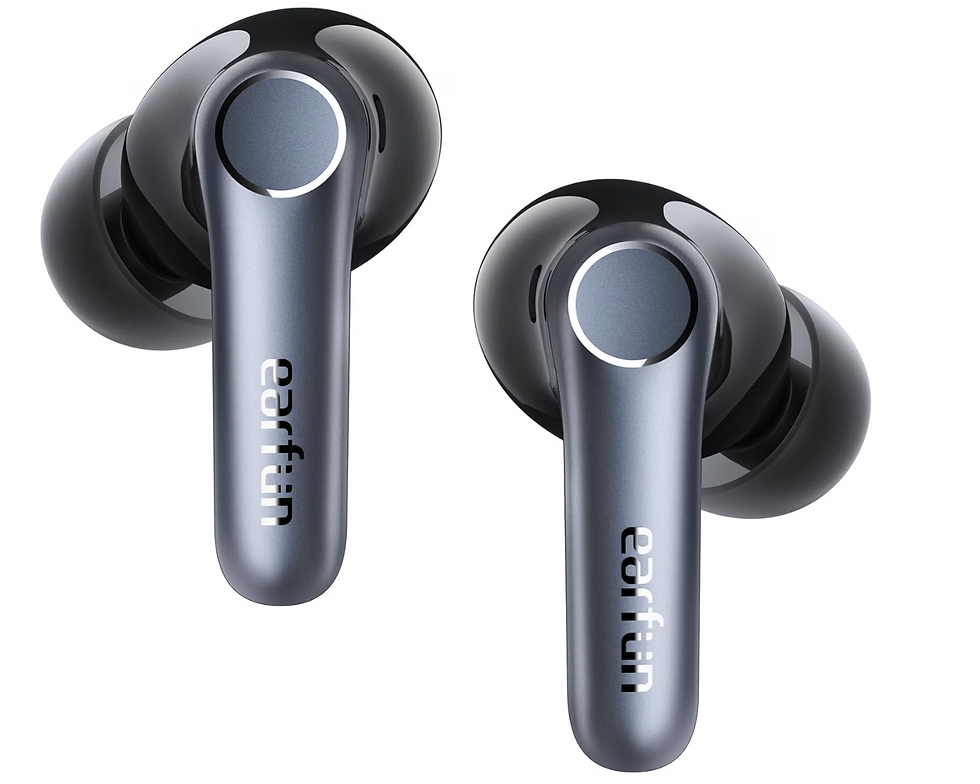
Have you ever had the sinking feeling that AirPods are a little too similar to much cheaper headphones? Put the AirPods Pro 3 beside the EarFun Air Pro 4 and that question becomes difficult to ignore. Once the Apple branding, iPhone animations, and ecosystem features are removed from the comparison, the actual audio hardware begins to look surprisingly familiar to a $60 pair of headphones:
The EarFun Air Pro 4: https://amzn.to/4dszdIc
the AirPods Pro 3: https://amzn.to/4hnzBZM
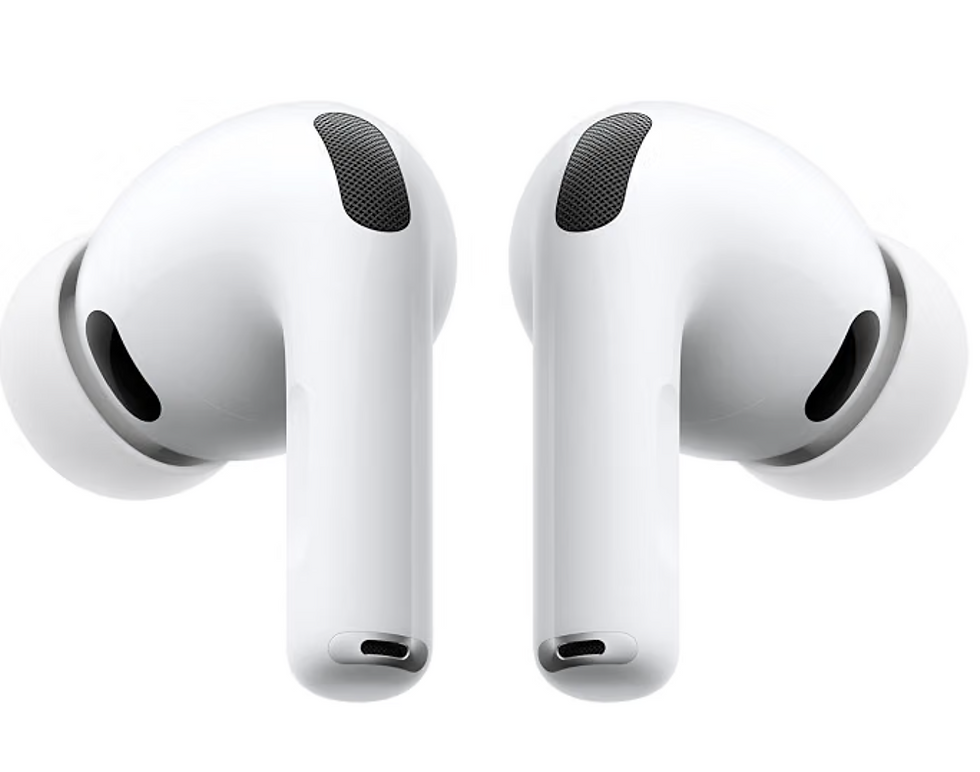
AirPods Pro 3 review: what is actually producing the sound?
AirPods Pro 3 use Apple’s H2 audio processor, a custom dynamic driver, an amplifier, multiple microphones, active noise cancellation, transparency processing, wireless charging, and continuous digital signal processing. The microphones listen both outside and inside the ear so the processor can alter the signal before it reaches the driver.
That is sophisticated hardware, but the basic architecture is not unusual anymore. The formula is a dedicated audio processor connected to several microphones, a small amplifier, and a dynamic speaker driver, with software constantly changing the signal.
Much of what makes AirPods feel distinctive happens around that audio system rather than inside the speaker itself.
EarFun Air Pro 4 review: the similarities are difficult to dismiss
The EarFun Air Pro 4 uses Qualcomm’s QCC3091 audio processor, 10 mm dynamic drivers, six microphones across the pair, adaptive active noise cancellation, transparency mode, ear detection, wireless charging, Bluetooth 5.4, multipoint connectivity, and software controlled equalization.
The H2 and QCC3091 are not the same chip, and Apple does not disclose enough information about its custom driver to claim the speakers are identical. The overall design philosophy, however, is remarkably similar.
Both products place a dedicated audio processor behind multiple microphones. Both use that information to cancel external noise, process calls, manage transparency, alter frequency response, and feed a dynamic speaker positioned directly inside the ear.
The EarFun even supports LDAC, aptX Adaptive, and aptX Lossless on compatible devices. Apple continues to rely heavily on AAC alongside its own signal processing.
So what is Apple actually charging more for?
The clearest answer is not dramatically superior basic headphone hardware. Apple is selling an entire system around the headphone.
AirPods integrate tightly with the iPhone, Find My, Apple device switching, Spatial Audio, Conversation Awareness, hearing features, additional sensors, and Apple’s own software. The H2 processor also gives Apple complete control over how those features interact with the microphones and driver.
Those additions can be useful. They do not mean the AirPods contain four times as much audio hardware.
For someone primarily buying earbuds to listen to music, take calls, use noise cancellation, switch into transparency mode, and charge them wirelessly, EarFun is solving almost exactly the same list of fundamental problems with modern Qualcomm hardware.
The expensive headphone argument gets weaker
This is where the AirPods price becomes uncomfortable.
A decade ago, cheap wireless earbuds genuinely felt cheap. Bluetooth could be unreliable, microphones were poor, noise cancellation was weak or nonexistent, and inexpensive drivers often sounded obviously compromised.
That gap has narrowed dramatically.
The Air Pro 4 has a serious modern audio processor, multiple microphones, adaptive noise cancellation, advanced codecs, configurable EQ, wireless charging, and a substantial dynamic driver. It is no longer reasonable to describe products in this category as primitive alternatives to premium earbuds.
Apple still has better ecosystem integration. The harder question is whether that integration deserves the size of the price premium when so much of the machinery actually responsible for listening to music now exists in both products.
AirPods Pro 3 vs EarFun Air Pro 4
If you own several Apple devices and value the way AirPods move between them, Apple still offers a level of convenience that EarFun cannot reproduce. The software experience remains one of the strongest arguments for AirPods.
If the priority is the headphone itself, the EarFun Air Pro 4 makes a much stronger case. The basic acoustic architecture is strikingly similar, the microphone count is comparable, both perform active processing around a dynamic driver, and EarFun supports several high quality Bluetooth codecs that Apple does not.
That does not make the products identical. It does make the price difference considerably harder to explain through sound hardware alone.
If you actually want high end wireless earbuds
There is another way to look at the comparison. Expensive earbuds can contain genuinely different acoustic hardware.
The Noble Audio FoKus Prestige Encore uses four drivers inside each earbud, combining an 8 mm dynamic driver, two balanced armature drivers, and a 6 mm planar magnetic driver. Instead of charging primarily for software integration and ecosystem features, Noble is putting considerably more elaborate machinery directly into the part of the product responsible for producing sound.
The Noble Audio FoKus Prestige Encore is seen here: https://amzn.to/4h79Aiv
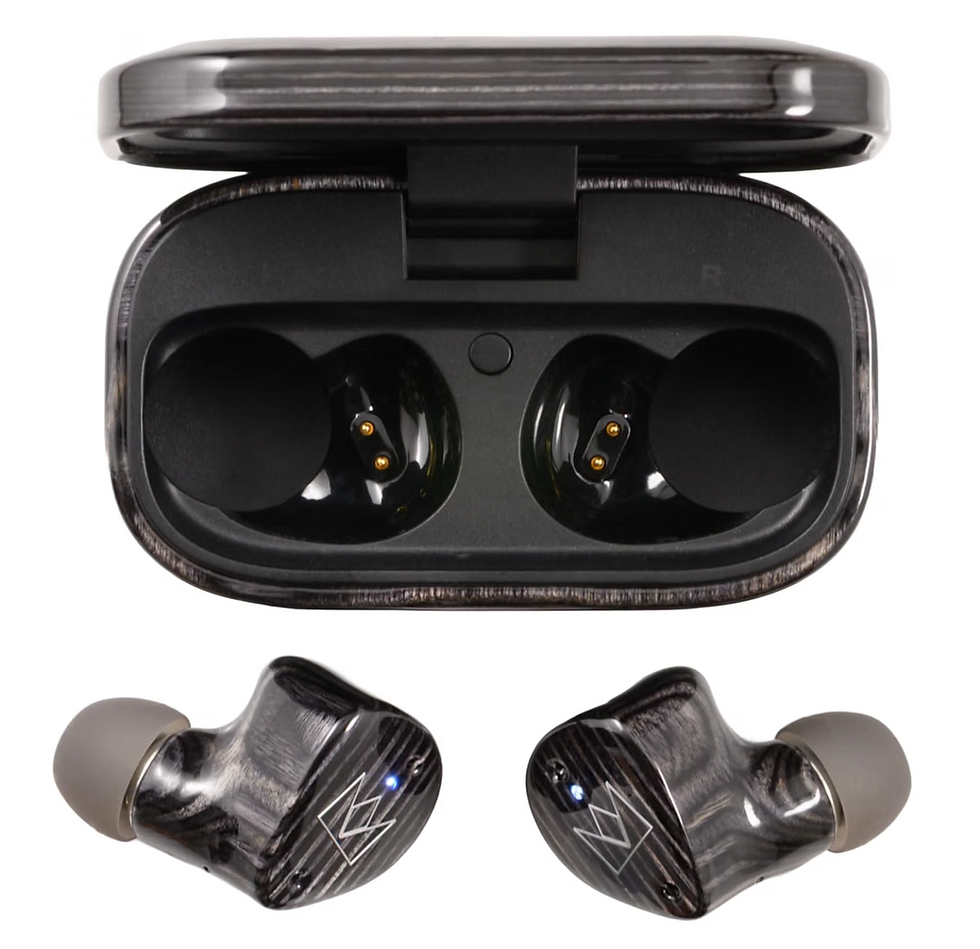
That provides useful perspective on AirPods Pro 3. Premium headphones are not inherently a bad value, and there are wireless earbuds where a much higher price buys a visibly more ambitious acoustic system.
AirPods sit in a different position. They are premium earbuds built around a fairly conventional modern audio architecture, surrounded by exceptionally polished Apple software.
For someone who wants that Apple experience, the premium may be worthwhile. For someone who primarily wants excellent wireless audio, noise cancellation, calls, transparency, and modern connectivity, the EarFun Air Pro 4 makes it increasingly difficult to argue that the AirPods price reflects an equally large difference inside the headphones themselves.


Comments